
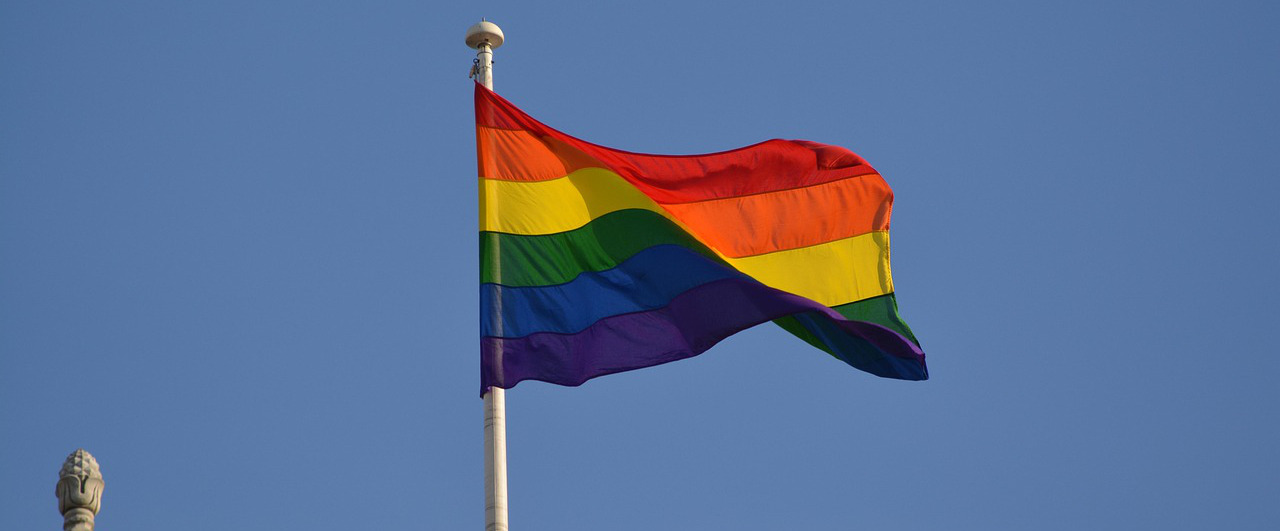
Proud to Be, Free to Thrive: Pride and Mental Health
Across the world, June represents the start of Pride Month for millions of LGBTQIA2S+ individuals—but why June? Why not December? Why not August?
From Protest to Pride
Although the pursuit of LGBTQ+ rights in the United States dates to at least 1924, the modern LGBTQIA2S+ rights movement traces its roots to June 1969 and the events that unfolded at the Stonewall Inn in New York City.
In the early morning hours of June 28, 1969, patrons of the Stonewall Inn fought back against what had become a regular occurrence: police raids and harassment targeting queer spaces. Although homosexuality had been decriminalized in New York decades earlier, discriminatory policies remained in place. The State Liquor Authority considered establishments that served queer patrons to be "disorderly," putting liquor licenses at risk and making it difficult for LGBTQ+ individuals to find safe places to gather openly.Where lawmakers saw an opportunity to exclude, others saw an opportunity to profit. The Stonewall Inn, which opened in 1966, became one of the few places where queer individuals could socialize and find community. Despite its popularity, the establishment was frequently subjected to police raids and intimidation.
On June 28, however, events unfolded differently. When police arrived to conduct another raid, patrons and community members refused to quietly disperse. Tensions escalated as a crowd gathered outside the inn, and what began as a routine raid transformed into a public act of resistance. Historians continue to debate many of the details—including the origins of the famous "brick of Stonewall" story—but there is little disagreement about the impact of what followed. The demonstrations and unrest continued for several days and became a catalyst for the modern LGBTQ+ rights movement.
More than five decades later, Pride Month serves as both a celebration and a remembrance. It honors the courage of those who challenged discrimination while recognizing the progress that has been made toward greater equality and visibility. Yet Pride is about more than history. It is also about the ongoing pursuit of safety, belonging, and the freedom to live authentically—factors that are deeply connected to mental health and well-being.
The Cost Of Exclusion
Mental health does not exist in a vacuum. Our emotional well-being is influenced by how we are treated, whether we feel accepted by our families and communities, and whether we can express ourselves without fear of judgment or discrimination. For many LGBTQIA2S+ individuals, these challenges remain a reality.
Research consistently shows that LGBTQ+ individuals experience higher rates of anxiety, depression, and suicidal ideation than the general population. These disparities are not caused by sexual orientation or gender identity themselves. Rather, they are often linked to experiences such as discrimination, social stigma, bullying, family rejection, and barriers to affirming healthcare and support services.
From Visibility To Vitality
At the same time, research has also demonstrated the power of acceptance and community. Supportive families, affirming healthcare providers, inclusive workplaces, and welcoming communities can significantly improve mental health outcomes and foster resilience. Feeling seen, respected, and valued can serve as a powerful protective factor against emotional distress.
In many ways, the themes that emerged from Stonewall, visibility, dignity, community, and self-determination remain just as relevant today. While the movement began as a fight for civil rights, it also highlighted a universal human need: the desire to belong. That sense of belonging is closely tied to mental wellness.
As we celebrate Pride Month, we recognize not only the achievements of the LGBTQIA2S+ community but also the importance of continuing to create environments where everyone can thrive.
Happy Pride Month FSA
Author

Adam Kurczak, Training Coordinator